
Minor Surgery
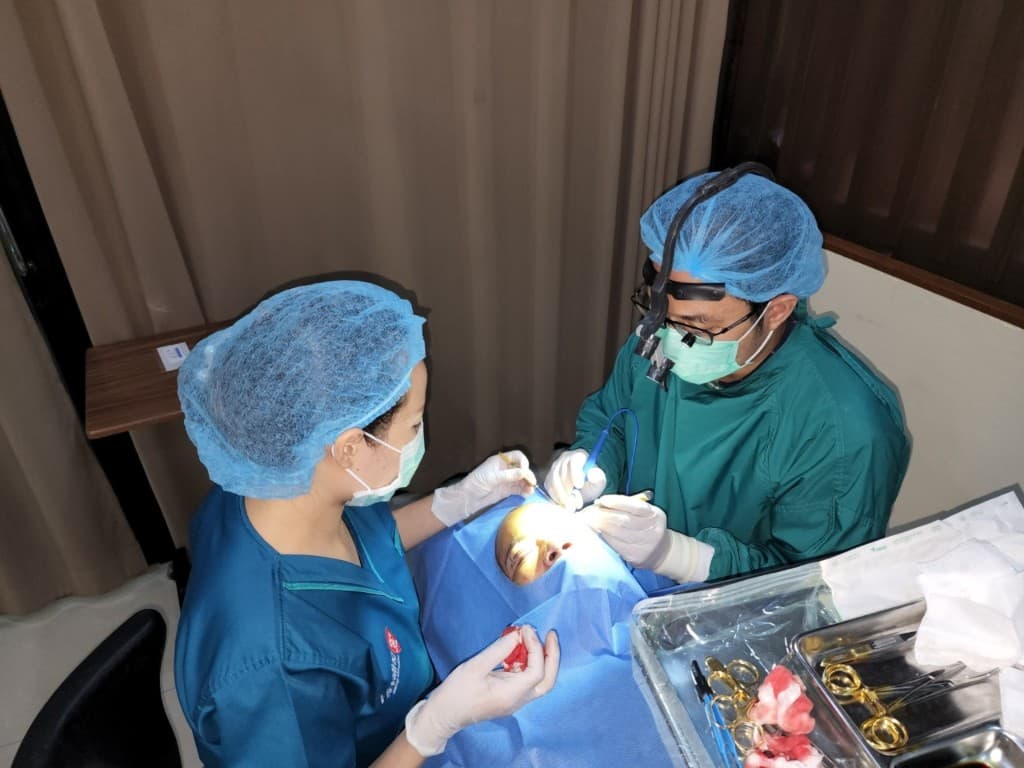
Keloid, cyst, lipoma and skin lesion surgery of the ear, face and neck.

Medically reviewed by a board-certified ENT specialist
- Author:
- Dr. Poj Pinyopornpanish — Otolaryngologist · Thai Board of Otolaryngology
- Medical reviewer:
- Dr. Poj Pinyopornpanish — Otolaryngologist · Thai Board of Otolaryngology
- Reviewed on:
- Last updated:
- Estimated reading time: 3 min
Overview
What is minor surgery
Minor ENT surgery refers to focused procedures on the ear, face, and neck that are often performed in clinic or a minor operating setting, with many patients returning home the same day.
Your ENT specialist assesses the lump, scar, or cyst, then explains whether surgery, monitoring, or other care is appropriate — including steps, aftercare, and risks.
Not every lump requires surgery. The decision depends on symptoms, examination findings, and clinical guidelines.
Symptoms
Symptoms you may notice
These findings may lead to assessment for minor surgery
A slowly growing lump or swelling under the skin
Keloid scarring or thickened tissue after injury
A cyst that becomes painful, inflamed, or drains
A soft lipoma that enlarges or causes discomfort
A lump on the ear, face, or neck that you can feel
Tenderness, pressure, or skin tension as a lump grows
Conditions treated
Conditions often assessed
Examples of conditions an ENT specialist may evaluate
Keloid
Raised scar tissue that grows beyond the original wound edges.
Skin cyst
A contained lump under the skin that may enlarge or become infected.
Lipoma
A usually soft, slow-growing fatty lump under the skin.
Ear lesions
Including ear cysts or tissue lumps that may need removal.
Face and neck lumps
Subcutaneous or deeper lumps requiring specialist assessment.
Other localized lesions
Managed according to examination and clinical judgement.
Procedures
Minor surgical procedures
Selected according to lesion type, site, and clinical findings
Keloid excision
Removal of keloid tissue with a plan to reduce recurrence risk.
Cyst removal
Complete excision of a cyst when clinically indicated.
Lipoma removal
Removal of a lipoma through a small incision when appropriate.
Ear, face, and neck lesion surgery
Focused procedures under local or general anaesthesia as needed.
Diagnosis
How your doctor assesses you
Assessment begins with your history and examination of the lump — its site, size, consistency, and mobility.
Ultrasound or additional tests may be arranged when needed to clarify the lesion and plan surgery.
Your doctor explains whether surgery or monitoring is appropriate, expected recovery, and follow-up.
Treatment
Treatment options
Not every lump needs immediate surgery
Monitoring
Small, stable, low-concern lesions may be followed over time.
Medical care
Some inflamed cysts may be treated medically before surgery is considered.
Minor surgery
When symptoms, growth, recurrence, or diagnosis requires removal.
Histopathology
Removed tissue may be sent for analysis when clinically indicated.
Recovery
Recovery after minor surgery
General guidance — your doctor will advise based on your procedure
Keep the wound clean as instructed
Avoid pulling or rubbing the wound
Take prescribed medication as directed
Attend follow-up appointments
Contact the clinic if bleeding, fever, or wound infection occurs
Avoid activities that stress the wound until cleared by your doctor
FAQ
Questions about minor surgery
Will I need to stay in hospital
Many minor procedures are day cases. This depends on the procedure and your overall health.
Local or general anaesthesia
Your doctor selects local anaesthesia or sedation/general anaesthesia based on the procedure and what is appropriate for you.
How large will the scar be
Incision size depends on the lesion. Your doctor explains this before surgery.
Is tissue sent for testing
In some cases removed tissue is sent for histopathology to confirm the diagnosis.
References
Related guidelines and patient resources
The sources below are recognized international guidelines and patient-education resources for general learning. They are not individualized medical advice.
Procedure and preparation information for patients
AAO-HNS / ENThealth
View source (AAO-HNS / ENThealth)Patient education and clinical guidance in otolaryngology
American Academy of Otolaryngology–Head and Neck Surgery (AAO-HNS)
View source (American Academy of Otolaryngology–Head and Neck Surgery (AAO-HNS))Public ENT health information
ENThealth (AAO-HNS Foundation)
View source (ENThealth (AAO-HNS Foundation))
Educational information
Medical Disclaimer
This information is intended for educational purposes only and does not replace diagnosis or treatment by a qualified physician. If you have concerning symptoms, please consult an ENT specialist.
Related links
Learn more
Related clinic pages to help you explore conditions, services, and procedures.
Considering minor surgery
Contact the clinic to book an appointment or ask preliminary questions. Your doctor will assess the lesion and recommend appropriate care.